US authorities have charged an Iraqi national with plotting terrorist attacks against Jewish sites across the United States, Europe, and Canada. Mohammad Baqer Saad Dawood Al-Saadi, 32, appeared in US federal court on Friday to face six terrorism-related charges in what prosecutors describe as an extensive international conspiracy.
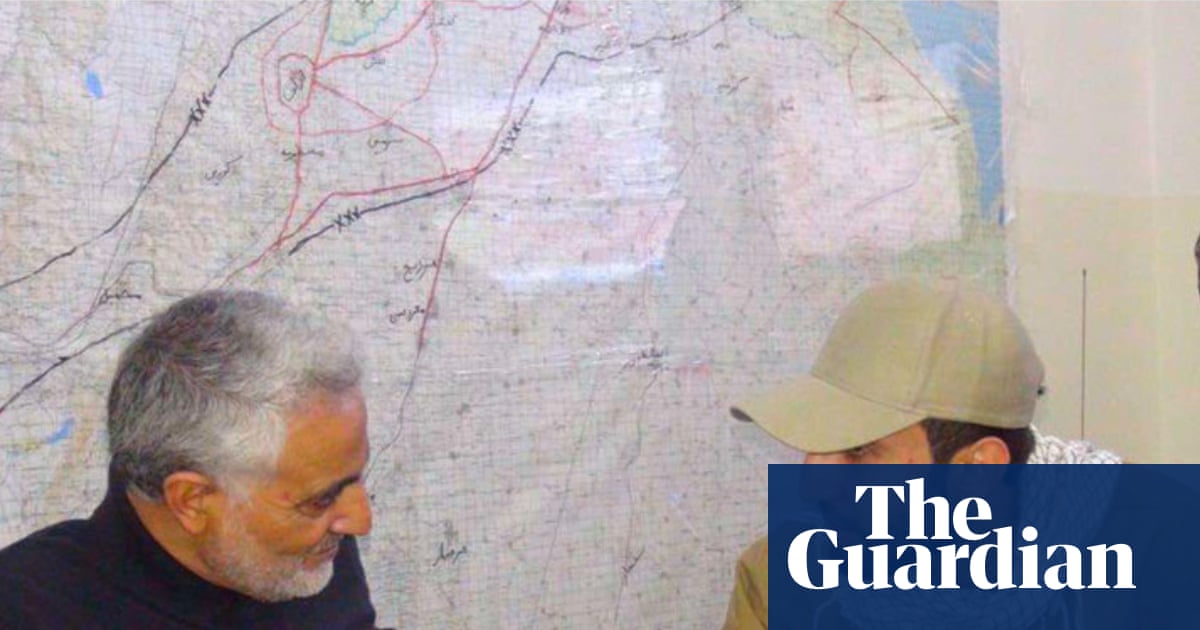
According to the US Justice Department, Al-Saadi is a senior commander within Kataeb Hezbollah, an Iran-backed Iraqi militia designated as a foreign terrorist organization by the United States. The group is linked to Iran's Revolutionary Guard Corps and operates as part of Tehran's broader network of proxy forces across the Middle East. The charges allege that Al-Saadi directed and encouraged others to attack US and Israeli interests and to kill Americans and Jews in retaliation for ongoing conflicts involving Iran.
Investigators say Al-Saadi was involved in planning approximately 20 attacks and attempted attacks across multiple countries. This wave of violence has caused significant concern among European nations, particularly the United Kingdom, where Jewish community centers, charitable organizations, synagogues, and other Jewish sites have been targeted in recent weeks. The attacks represent a coordinated effort to strike at Jewish communities and US interests abroad.
Canada was specifically affected by the alleged plot, with Al-Saadi accused of planning attacks on a synagogue and the US consulate in Toronto. Canadian authorities have been working closely with their US counterparts in the investigation, sharing intelligence and coordinating security responses. The targeting of diplomatic facilities alongside religious sites demonstrates the broad scope of the alleged conspiracy.
Kataeb Hezbollah has emerged as one of the most active Iranian proxy groups in recent years. Founded in the aftermath of the 2003 US invasion of Iraq, the militia has conducted numerous attacks against US forces in Iraq and has expanded its operations beyond the country's borders. The group receives funding, training, and weapons from Iran's Revolutionary Guard Corps and operates as part of what analysts call Iran's "axis of resistance" against US and Israeli influence in the region.
The arrest of Al-Saadi followed months of investigation by multiple intelligence agencies and law enforcement organizations. While authorities have not disclosed exactly how he was brought to the United States, the Justice Department emphasized that international cooperation was crucial to the operation's success. The case highlights the global nature of the threat posed by Iranian proxy networks and the challenges faced by counterterrorism agencies.
The charges against Al-Saadi come amid heightened tensions between the United States and Iran, as well as Iran's regional allies. Iranian officials have repeatedly threatened retaliation for various actions they perceive as hostile to their interests. Security experts view the alleged plot as part of Iran's broader strategy of using proxy groups to strike at Western and Israeli targets while maintaining plausible deniability.
For Jewish communities in the affected countries, the arrest provides some relief but also underscores the ongoing nature of the threat they face. Security agencies have increased protective measures around Jewish institutions and are working closely with community leaders to prevent future attacks. The case has prompted discussions about the adequacy of current security arrangements and the need for enhanced international cooperation.
The six charges against Al-Saadi include conspiracy to commit terrorist attacks, providing support to a foreign terrorist organization, and planning attacks against US citizens abroad. If convicted, he faces the possibility of several decades in prison or even life imprisonment. The trial is expected to provide significant insights into the operations of Iranian proxy groups and their international networks.
The case also raises broader questions about Iran's use of proxy forces to project power and conduct operations against its adversaries. As tensions in the Middle East continue to escalate, security officials warn that similar plots may be in development, requiring continued vigilance and international cooperation to prevent future attacks on Jewish communities and Western interests.
Fast take
US authorities have charged an Iraqi national with plotting terrorist attacks against Jewish sites across the United States, Europe, and Canada.
NOFRAME signal
Medium divergence · 7 Sources · 4 Regions
What remains open
Coverage is not fully split, but it is not identical either. That makes the comparison useful: the fact base shows the common core, while the perspectives show where political, regional, or institutional priorities change the emphasis.
Dossier compass
Which media spaces carry the story and how broad the source base is.
Source mix
Underlit angles
- Details about specific attack targets
- Impact on Jewish communities
- Deeper geopolitical context
Open originals
Go straight to the linked articles. NOFRAME does not replace those sources.
Why it matters
Coverage is not fully split, but it is not identical either. That makes the comparison useful: the fact base shows the common core, while the perspectives show where political, regional, or institutional priorities change the emphasis.
Timeline
Globe and Mail · May 16, 2026 at 12:14 AM
Iraqi man charged in NYC synagogue plot after attacks in Canada and Europe
Straits Times · May 16, 2026 at 01:50 AM
Militia commander tied to Iran plotted attacks on Jewish sites, prosecutors say
Straits Times · May 16, 2026 at 03:27 AM
US accuses Iraqi man of helping Iran-backed militia's plans for attacks in US, Europe
India Today · May 16, 2026 at 03:31 AM
Iraqi national charged with plotting terror attacks on Jewish sites in US, Europe