A new UN-backed report has issued a stark warning about Lebanon's deteriorating food security situation, revealing that 1.24 million people are expected to face acute hunger between April and August 2026. This figure represents nearly one in four of the population analyzed and constitutes one of the most severe humanitarian crises in the country's recent history.
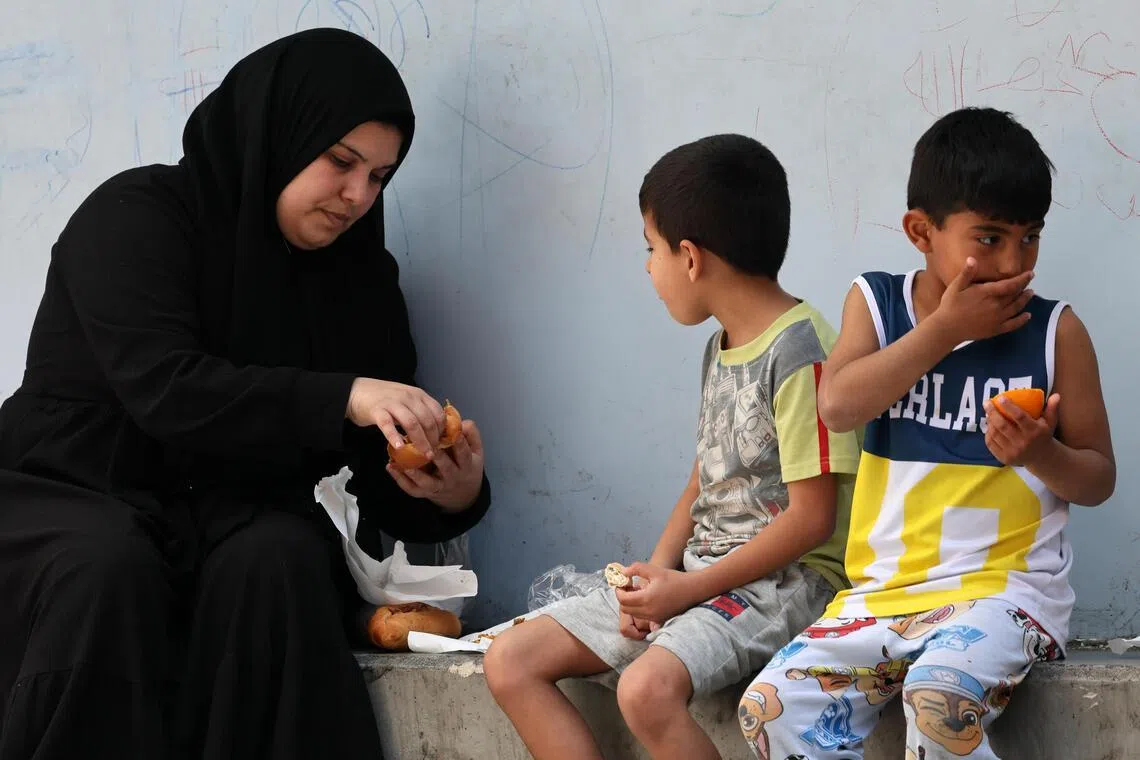
The report was jointly released by the UN's Food and Agriculture Organisation (FAO), the World Food Programme (WFP), and Lebanon's agriculture ministry. These organizations warn that the affected population will experience food insecurity at crisis levels or worse, meaning they will face severe limitations in accessing adequate and nutritious food.
The primary cause identified for this dramatic deterioration is Israel's ongoing military operations in Lebanon. The war has not only caused direct destruction but has also triggered widespread population displacement and severely damaged the country's agricultural systems and food distribution networks. Many farmers have been forced to abandon their fields, while transportation routes and markets have been disrupted by the fighting.
Lebanon was already in a precarious situation before the current conflict began. The country has been experiencing a severe economic crisis for years, rated as one of the worst globally since the 19th century. The Lebanese currency has lost dramatic value, inflation has soared, and large portions of the population have already fallen into poverty. These existing problems are being significantly exacerbated by the war.
Particularly concerning is the timeframe of the projection, which extends to August 2026. This suggests that international organizations expect a prolonged crisis that could extend well beyond the end of current hostilities. The restoration of agricultural production and food supply chains is expected to take years.
The humanitarian impact is already being felt. Displaced families often lack access to regular meals, and prices for basic foodstuffs have risen sharply in many areas. Children are particularly vulnerable, as malnutrition in early years can have long-term effects on their development.
The international community faces the challenge of responding quickly and comprehensively. Humanitarian aid organizations urgently need funding to provide food assistance and stabilize food security. At the same time, long-term solutions must be developed to strengthen the resilience of Lebanese food systems.
The report also highlights the regional implications of the conflict. Lebanon serves as an important transit point for goods in the region, and the disruption of its economy affects neighboring countries. Refugee movements additionally strain resources throughout the region.
Experts warn that without immediate and coordinated international assistance, the situation could become even more dramatic. The combination of war, economic crisis, and now looming famine presents an unprecedented challenge for a country that has already reached the limits of its resilience.
The timing of this report underscores the urgency of the situation. With the projection extending well into 2026, it becomes clear that this is not a temporary crisis but a long-term humanitarian emergency that will require sustained international attention and support. The scale of the problem demands immediate action from the global community to prevent a complete collapse of food security in Lebanon.
Fast take
A new UN-backed report has issued a stark warning about Lebanon's deteriorating food security situation, revealing that 1.
NOFRAME signal
Medium divergence · 4 Sources · 3 Regions
What remains open
Coverage is not fully split, but it is not identical either. That makes the comparison useful: the fact base shows the common core, while the perspectives show where political, regional, or institutional priorities change the emphasis.
Dossier compass
Which media spaces carry the story and how broad the source base is.
Source mix
Underlit angles
- Detailed background on Lebanon's pre-existing economic crisis
- Longer-term structural problems of the country
- Explicit naming of Israel as cause
Open originals
Go straight to the linked articles. NOFRAME does not replace those sources.
Why it matters
Coverage is not fully split, but it is not identical either. That makes the comparison useful: the fact base shows the common core, while the perspectives show where political, regional, or institutional priorities change the emphasis.
Timeline
AllAfrica · April 29, 2026 at 08:25 AM
South Sudan: Over Half of South Sudan's Population Faces Acute Hunger Crisis
Straits Times · April 29, 2026 at 01:21 PM
Over 1.2 million people in Lebanon seen to face acute hunger due to war: Report
Middle East Eye · April 29, 2026 at 01:37 PM
Over 1.2m people in Lebanon to face acute hunger due to war
Al Jazeera · April 29, 2026 at 03:33 PM
Over 1.2m in Lebanon expected to face acute hunger: UN-backed report