Former British Health Secretary Wes Streeting has officially announced his candidacy to challenge Prime Minister Keir Starmer for the leadership of the Labour Party. This development marks a significant escalation of internal tensions within the ruling party and could have far-reaching consequences for Britain's political stability.
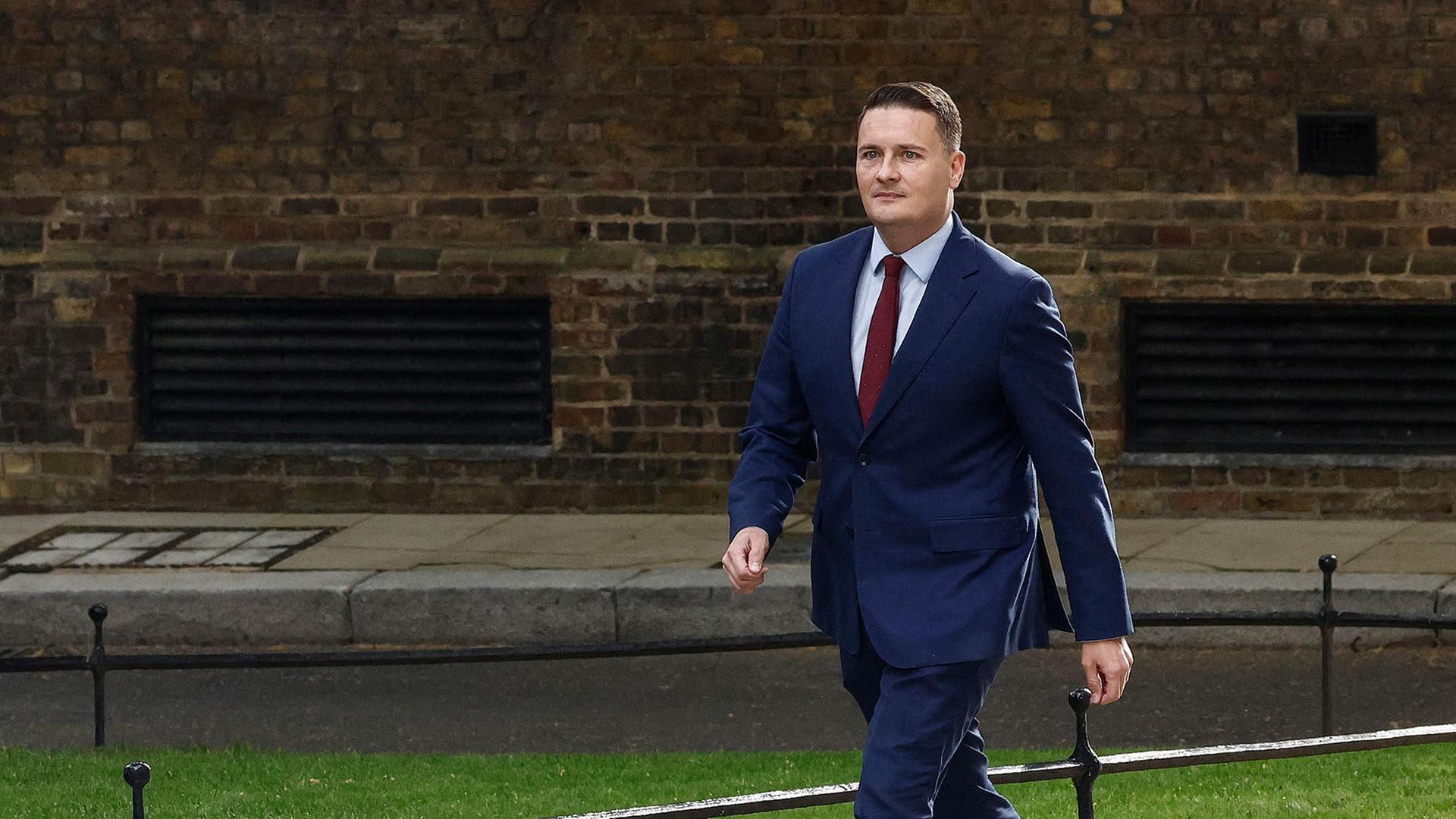
Streeting, who recently resigned from his ministerial position, justified his move with sharp criticism of Starmer's leadership. In his resignation letter, the 43-year-old politician expressed that he had lost confidence in the current leadership and called for a 'proper contest' to replace the prime minister. This public criticism from a senior cabinet member represents an unusually direct attack on the incumbent prime minister's authority.
The British political system means that whoever leads the Labour Party automatically becomes prime minister, as the party holds a comfortable majority in parliament. Streeting must therefore first win the internal party election before he can assume the highest government office. Such a leadership change would occur without a general election, which is common practice in British democracy.
In his public statements, Streeting has taken clear political positions that differ somewhat from the current government line. Particularly notable is his stance on Brexit, which he described as a 'catastrophic mistake.' Streeting argues that Britain's future lies in Europe, which could signal a significant departure from current Brexit policy. This position may generate varying reactions both within the Labour Party and among the British public.
The challenge to Starmer comes at a particularly difficult time. The prime minister is already under considerable political pressure, and public criticism from a prominent cabinet member reinforces perceptions of weakened leadership. International media are increasingly reporting on the Labour government's internal difficulties, which could also have foreign policy implications.
Alongside Streeting, Andy Burnham, the Mayor of Manchester, is also positioning himself as a potential challenger to Starmer. Interestingly, Streeting has signaled his support for Burnham should he actually decide to run. This constellation suggests a coordinated strategy among various Starmer critics who could combine forces to bring about a leadership change.
However, Burnham would first need a mandate in the House of Commons to be eligible for party leadership. While he has political experience and recognition as mayor, he would need to be elected to parliament first. This practical hurdle could delay or complicate his candidacy.
The implications of a possible leadership change would be far-reaching. A new prime minister could significantly alter both Britain's domestic and foreign policy. Streeting's pro-European stance in particular could lead to a reorientation of British EU policy, although completely reversing Brexit would be legally and politically extremely complex.
For the Labour Party itself, the internal conflict represents a significant burden. Leadership disputes can impair a government's ability to function and undermine voter confidence. The opposition will likely attempt to exploit this weakness to strengthen their own position.
The development also highlights broader questions about political stability in Britain. The country has experienced considerable political turbulence in recent years, with multiple prime ministerial changes and policy reversals. Another leadership contest could further contribute to perceptions of instability.
Streeting's criticism of Brexit policy is particularly significant given the ongoing debates about Britain's relationship with Europe. While a complete reversal of Brexit remains highly unlikely, a more pro-European approach could lead to closer cooperation with EU institutions and potentially softer implementation of existing arrangements.
The timing of this challenge also coincides with various domestic and international pressures facing the British government. Economic challenges, social issues, and foreign policy considerations all require stable leadership, making internal party disputes particularly problematic.
Fast take
Former British Health Secretary Wes Streeting has officially announced his candidacy to challenge Prime Minister Keir Starmer for the leadership of the Labour Party.
NOFRAME signal
Medium divergence · 8 Sources · 3 Regions
What remains open
Coverage is not fully split, but it is not identical either. That makes the comparison useful: the fact base shows the common core, while the perspectives show where political, regional, or institutional priorities change the emphasis.
Dossier compass
Which media spaces carry the story and how broad the source base is.
Source mix
Underlit angles
- Specific political positions of Streeting such as his Brexit criticism
- Political background and substantive criticism of Starmer
- International perspectives on British instability
Open originals
Go straight to the linked articles. NOFRAME does not replace those sources.
Why it matters
Coverage is not fully split, but it is not identical either. That makes the comparison useful: the fact base shows the common core, while the perspectives show where political, regional, or institutional priorities change the emphasis.
Timeline
Channel News Asia · May 16, 2026 at 05:15 PM
UK's ex-health minister Streeting says will run to replace PM Keir Starmer
Al Jazeera · May 16, 2026 at 05:32 PM
UK ex-health minister says will run to replace Prime Minister Keir Starmer
ZDF heute · May 16, 2026 at 05:56 PM
After ministerial resignation: Streeting aims for premier
Geo News · May 16, 2026 at 06:17 PM
UK former minister confirms he will bid to replace PM Starmer