Indirect technical talks between delegations from the United States and Iran began in Doha on July 1, 2026, mediated by Qatari and Pakistani officials, as Tehran continues to rule out direct negotiations with Washington. The talks build on a 14-point interim agreement signed in mid-June that was intended to end a three-month war involving the United States, Israel, and Iran.
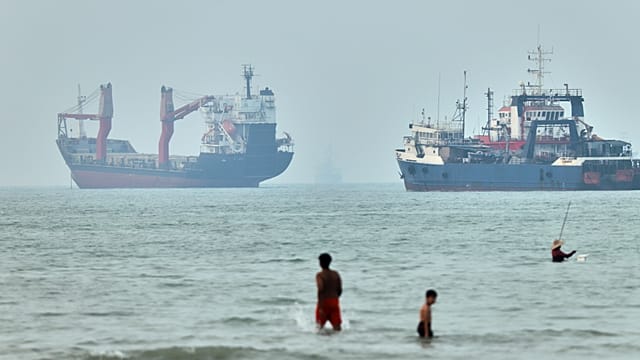
At the center of the current discussions are two key issues: the release of frozen Iranian financial assets and the future regulation of shipping through the Strait of Hormuz, one of the world's most critical energy and trade corridors. According to Reuters reporting citing Iranian sources, Tehran is determined to secure international recognition of its control over the strait and to be able to levy fees on vessels passing through. Two senior Iranian sources said Iran is prepared to enforce this position by force if necessary.
The interim agreement stipulates that ships may pass through the strait without charge for a period of 60 days. Should that period expire in mid-August without a new arrangement being reached, Iran has indicated it could begin charging fees. According to reporting by The New York Times, citing an Iranian official and diplomats, Iran and Oman are also exploring a joint fee arrangement for use of the strait—an idea the United States has openly objected to.
Alongside the diplomatic efforts, rhetoric between Israel and Iran intensified. Israeli Defence Minister Israel Katz stated at a memorial ceremony that Israel had already carried out two preemptive strikes against Iran and would strike a third time if deemed necessary. He also said Israeli forces would occupy Lebanon, Syria, and Gaza indefinitely. Iran's Foreign Minister Abbas Araghchi responded sharply, warning Israel against threatening Iran's supreme leader and citing the Islamabad memorandum of understanding, claiming the United States had committed to restraining Israel.
Further tension arose when a foreign container ship ran aground in the Strait of Hormuz. According to Iranian state media, the vessel had entered shallow waters outside the shipping corridor designated by Iranian authorities. Iran's Islamic Revolutionary Guard Corps repeated a warning that ships must use only the corridor south of Iran's Larak island.
The Doha talks are part of broader regional diplomatic activity. Qatari Foreign Minister Sheikh Mohammed bin Abdulrahman Al Thani met with US envoys Steve Witkoff and Jared Kushner to review the US-Iran negotiations as well as the Lebanon ceasefire and ongoing mediation efforts. These meetings occurred after Tehran again ruled out direct talks with Washington.
No official outcomes from the technical talks have been announced so far. It remains unclear whether the two sides will reach a lasting arrangement over the Strait of Hormuz, how the issue of frozen Iranian funds will be resolved, and whether Israeli threats will further strain the fragile diplomatic process. The question of mine clearance in the strait also remains unresolved; Iran has stated it intends to carry out this work alone, without international cooperation, citing the Islamabad memorandum.
The coming weeks are likely to reveal whether the indirect talks lead to an extension or revision of the interim agreement, or whether unresolved disputes—particularly over Hormuz and the underlying military threats—could once again jeopardize the fragile ceasefire.
Fast take
Indirect technical talks between delegations from the United States and Iran began in Doha on July 1, 2026, mediated by Qatari and Pakistani officials, as Tehran continues to rule out direct negotiations with Washington.
NOFRAME signal
High divergence · 15 Sources · 5 Regions
What remains open
This matters because the event itself is only part of the story. 5 media regions frame it with noticeably different priorities. Details that remain stable across those boundaries are more robust; details that appear in only one region need context.
Dossier compass
Which media spaces carry the story and how broad the source base is.
Source mix
Underlit angles
- Detailed Western expert analysis on the strait's economic future
- Israeli escalation threats are not addressed
- Hormuz dispute, fee issue, and Israeli threats are entirely absent
Open originals
Go straight to the linked articles. NOFRAME does not replace those sources.
Why it matters
This matters because the event itself is only part of the story. 5 media regions frame it with noticeably different priorities. Details that remain stable across those boundaries are more robust; details that appear in only one region need context.
Timeline
Al-Monitor · July 1, 2026 at 01:36 PM
Iran warns of immediate response to any threat, cites US commitment to restrain Israel
Middle East Eye · July 1, 2026 at 01:41 PM
Araghchi warns Israel against threatening Iran's leader
CBS News · July 1, 2026 at 01:44 PM
How Iran could try to control the Strait of Hormuz — and profit from it
Globe and Mail · July 1, 2026 at 01:51 PM
Technical talks between U.S. and Iran begin in Qatar